2026-11-12 · Roberto Mendez
What to Do After Storm Flooding in Hialeah
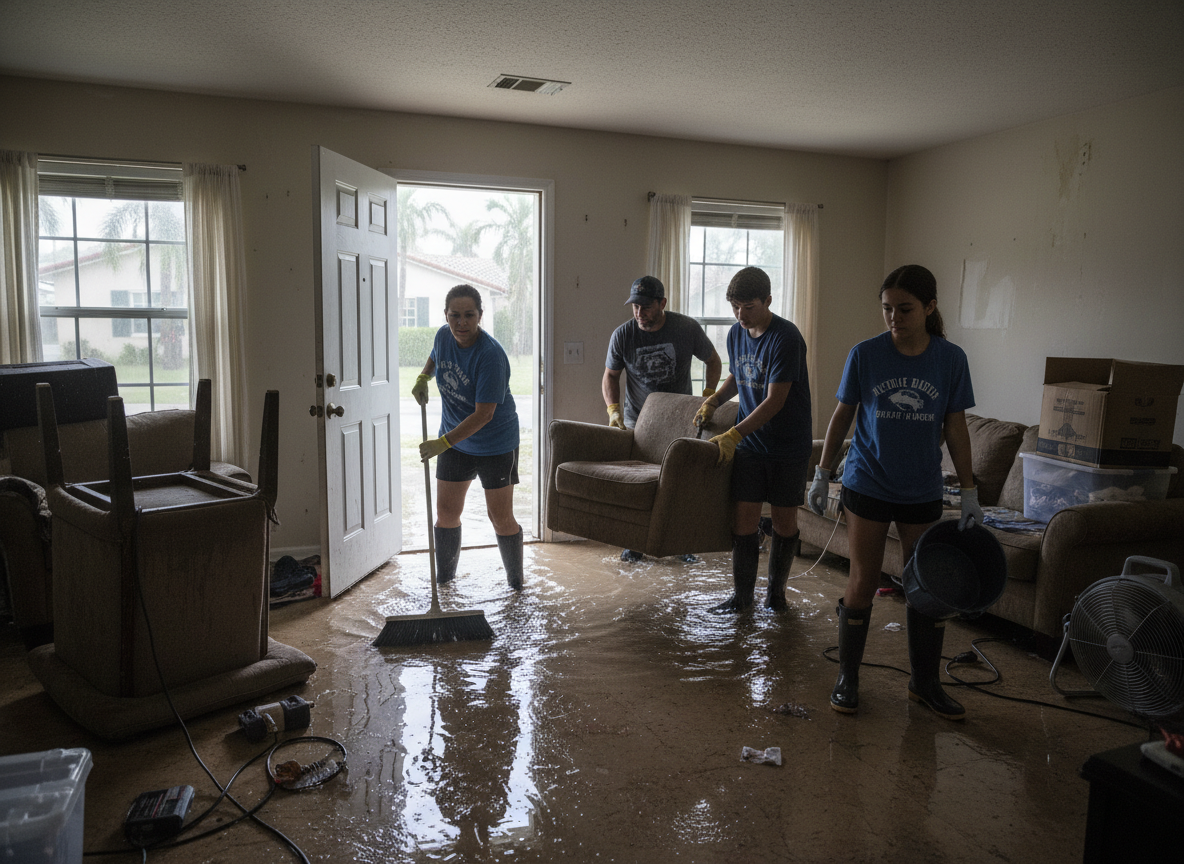
After storm flooding in Hialeah, begin by securing power and avoiding all contact with standing water until the source is identified and stopped. In Miami-Dade County neighborhoods like Downtown Hialeah and Palm Springs North, older concrete-block homes often channel water into slabs and wall cavities during the hot wet summers, so quick action prevents deeper saturation. Move valuables to higher ground and note water depth with photos before any cleanup starts.
Secure the Property and Address Immediate Hazards
Turn off electricity at the main panel if water has reached outlets or appliances, but only when it is safe to do so without standing in water. In Hialeah Gardens and near Amelia Earhart Park, storm drains can back up quickly during monsoon downpours, leaving debris that hides sharp objects or electrical lines. Check for structural shifts around door frames and windows, especially in homes built before 1980 that line many blocks west of Hialeah Park Race Track. Ventilate rooms only after confirming no gas leaks, and keep children and pets away from affected zones until floors are clear.
Document Conditions for Insurance and Records
Photograph every room from multiple angles, including baseboards, furniture legs, and carpet edges, before moving anything. Record water lines on walls with a permanent marker and note the date and time of each image. Residents in Palm Springs North often find that floodwater carries silt from nearby canals, which stains drywall and requires separate documentation. Store copies of all photos off-site or in cloud storage, and list affected items with purchase dates where possible. This record helps when coordinating with adjusters who serve Miami-Dade County properties.
Remove Water and Start Drying Processes
Extract standing water with submersible pumps or wet vacuums within the first 24 hours to reduce saturation in concrete slabs common throughout Hialeah. Position air movers and dehumidifiers to pull moisture from wall cavities, targeting 50 percent relative humidity or lower inside the structure. During Miami's hot wet summers, ambient humidity often stays above 70 percent, slowing natural evaporation and requiring mechanical drying for 3–5 days in most single-story homes. Focus airflow under cabinets and behind appliances where moisture lingers longest.
Manage Humidity and Mold Risks Specific to Local Climate
Hialeah's tropical monsoon pattern brings repeated afternoon storms that keep soil and air moisture elevated for weeks. Older homes near Miami Lakes frequently develop hidden mold behind baseboards when drying is incomplete. Run dehumidifiers continuously and monitor moisture meters in drywall and flooring until readings drop below 15 percent. Open windows only during the driest midday hours when outdoor humidity dips, then close them again as afternoon rains return. How Humidity Slows Drying After Water Damage in Hialeah explains the equipment adjustments needed during peak summer months.
Decide When to Bring in Restoration Specialists
Call trained crews when water depth exceeds two inches, electrical systems are compromised, or sewage is present. Properties along 38th Street and surrounding blocks often need targeted drying under tile floors that standard fans cannot reach. Technicians with local experience understand how Hialeah's limestone soil retains water and affects slab drying times. Water Damage Restoration teams can deploy industrial equipment sized for Miami-Dade County homes and coordinate with insurance carriers serving the area. Key Cost Factors for Water Damage Restoration in Hialeah outlines typical variables that affect project scope after monsoon events.